Facility risk management for pools, courts and halls comes down to a short list of things done consistently every single day: checking the space before anyone uses it, supervising it properly while it's in use, and recording what happened afterward. Intrac keeps bookings, access and incident records in one system, so the daily routine produces a record you can actually point to later, not just a memory of having done it.
This article is written for facility managers and duty staff who run daily opening checks, supervision rosters and incident reporting for pools, courts, gyms and multi-purpose halls. It's practical operator guidance, not a compliance certification. Royal Life Saving Society Australia publishes the Guidelines for Safe Pool Operations, and aquatic facilities should treat that as their primary reference for supervision and operational detail, alongside their own venue's specific obligations.
- Why daily checks matter more than annual inspections
- What should an opening check actually cover?
- Supervision while the space is in use
- What good incident documentation looks like
- Linking maintenance schedules to risk, not just breakdowns
- Keeping staff accreditation current, not just checked once
- Building a routine you can actually prove
Why daily checks matter more than annual inspections
An annual inspection tells you the facility was safe on the day someone checked it. A daily check tells you the facility was safe today, which is the only day that actually matters to the person using it right now. Most incidents that happen at pools, courts and halls trace back to something that changed between inspections, a loose fitting, a faded line marking, a locked gate propped open for convenience, not a structural flaw an annual audit would have caught anyway.
Daily checks don't need to be elaborate to be effective. They need to be consistent, fast enough that staff actually complete them every day, and recorded somewhere that survives longer than the shift it happened in.
- Most incidents trace back to something that changed since the last check, not a structural flaw.
- A daily check only works if it's fast enough for staff to complete it every day.
- A check that isn't recorded is indistinguishable from a check that wasn't done.
What should an opening check actually cover?
An opening check for a pool, court or hall should cover the same three categories every time: the physical space itself (surfaces, fittings, lines, nets, water quality where relevant), safety equipment and signage (first aid kit stocked, emergency equipment in place, exits clear), and access control (who's supposed to be able to get in, and whether that's actually the case right now). Skipping straight to "does it look fine" without working through each category is how a small issue gets missed on a busy morning.
Keep the checklist short enough that staff will actually complete it under time pressure. A thorough checklist nobody uses is worse than a short one that's followed every day without exception.
- Physical space: surfaces, fittings, lines and nets in good condition.
- Safety equipment and signage: stocked, in place, and visible.
- Access control: only the people who should be able to enter, can.
Supervision while the space is in use
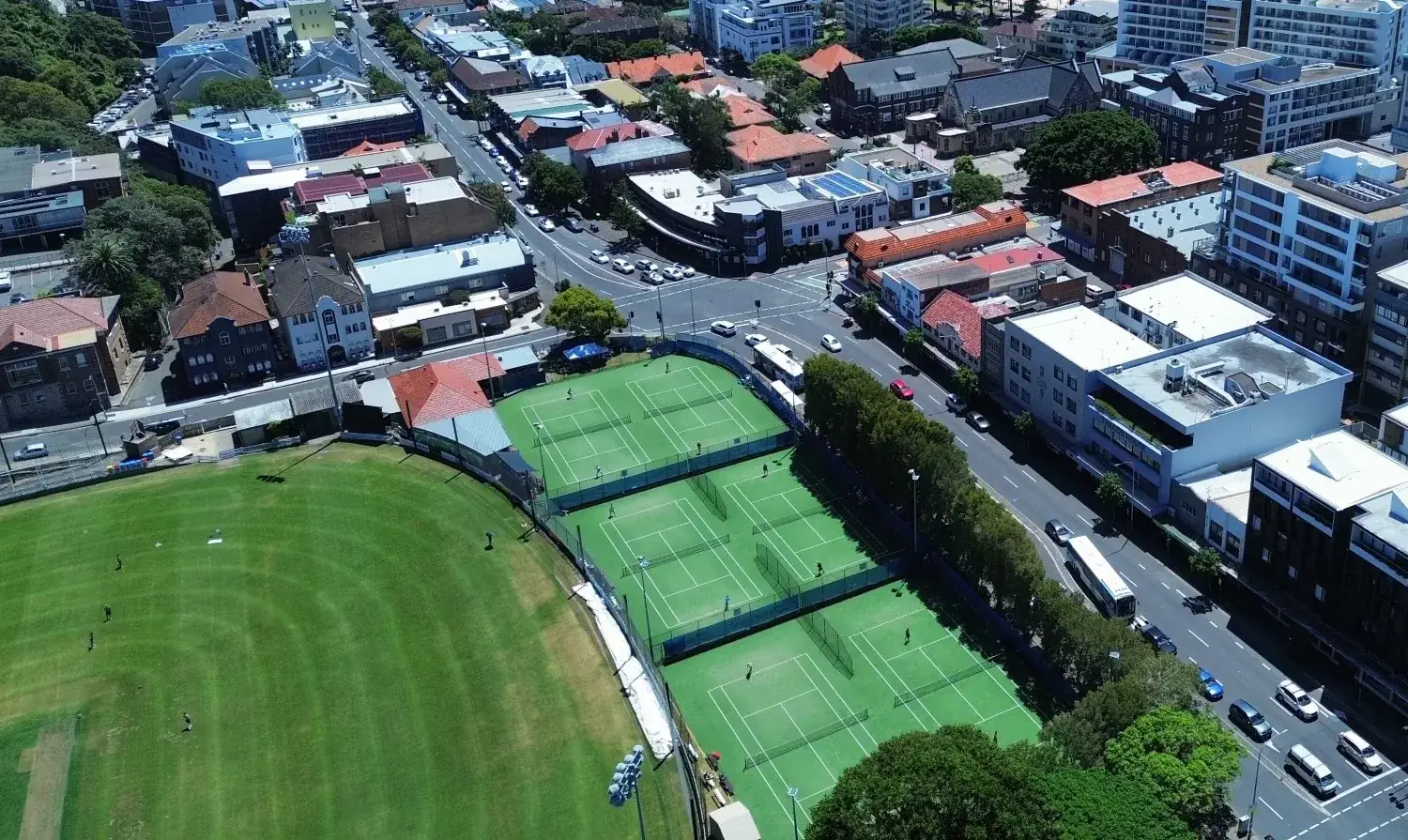
Supervision is where daily checks hand off to live risk management. The space was fine at opening, but it needs to stay fine, and stay watched, for every hour it's occupied afterward. This means having enough appropriately qualified staff rostered for the activity actually happening, not just for the number of people in the building, and being clear on who is responsible for watching what, especially during busy periods when multiple activities run in parallel.
For aquatic facilities specifically, Royal Life Saving Society Australia's Guidelines for Safe Pool Operations is the go-to reference for supervision ratios and practice. Use it, rather than assuming your existing roster is automatically sufficient just because it's always been that way.
What good incident documentation looks like
A good incident record captures what happened, when, who was involved, who responded, what action was taken, and what changed afterward to reduce the chance of it happening again. The last part, what changed, is the one facilities most often skip, which means the same minor incident can repeat months later with nobody connecting the dots because the first report was never reviewed, only filed.
Incident records matter for insurance and liability reasons as much as safety ones. A facility with a thin, inconsistent incident history has a weaker position if a claim or dispute arises later, regardless of how well the facility was actually managed day to day.
Review incident records monthly, not just when something happens. A short, regular review is how you spot a pattern, three near-misses at the same spot, before it becomes a serious incident.
Linking maintenance schedules to risk, not just breakdowns
Most facilities schedule maintenance reactively: something breaks, it gets fixed. A risk-aware approach schedules maintenance against what's actually likely to fail or degrade before it becomes a hazard, using booking and usage data to prioritise the courts, pools or equipment getting the heaviest wear, not just the ones that happen to be due for a routine service.
This is also where daily checks and maintenance scheduling should talk to each other: a fitting flagged as "worn but not yet unsafe" on three consecutive daily checks is a maintenance priority, not just a note to keep an eye on it.
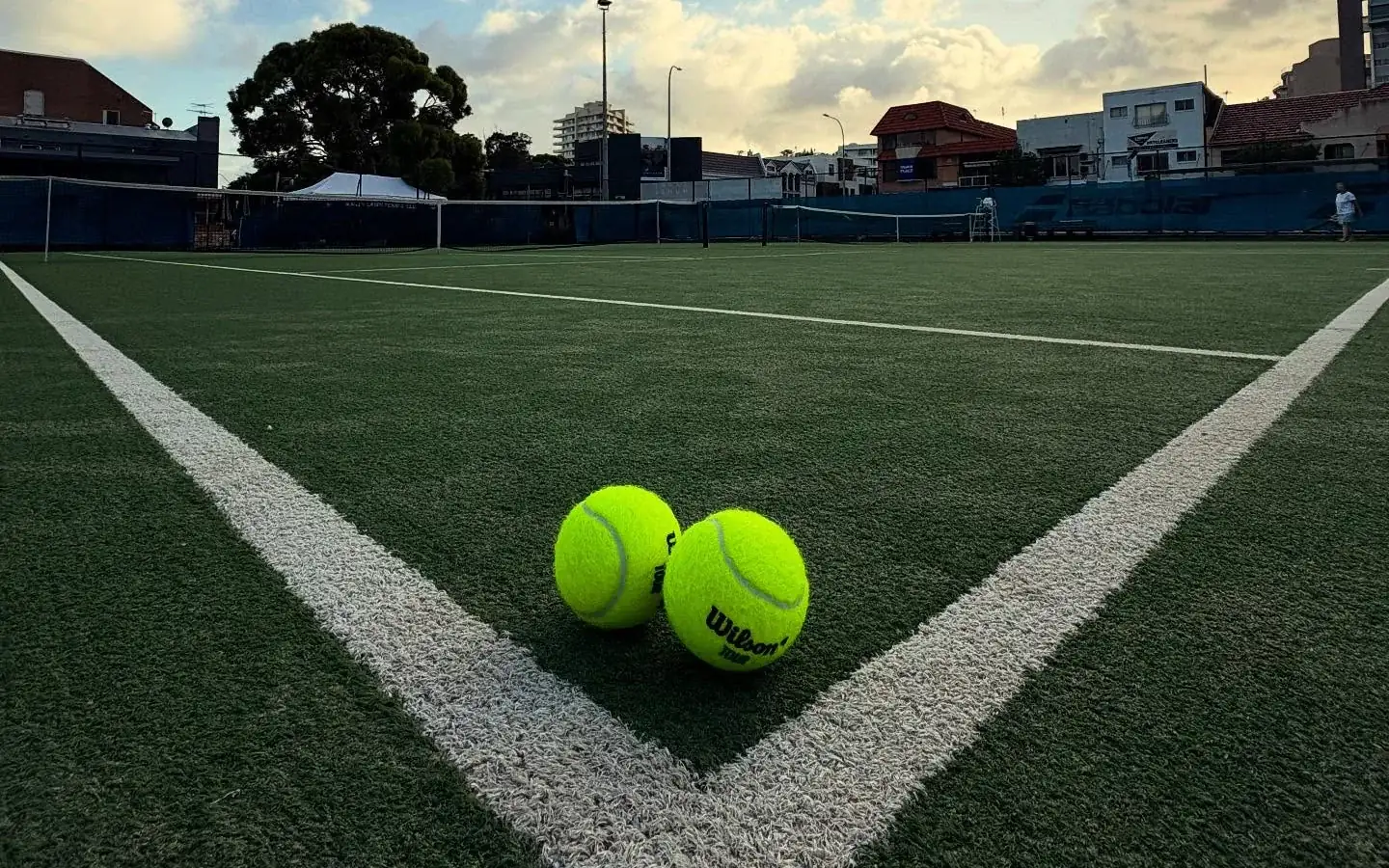
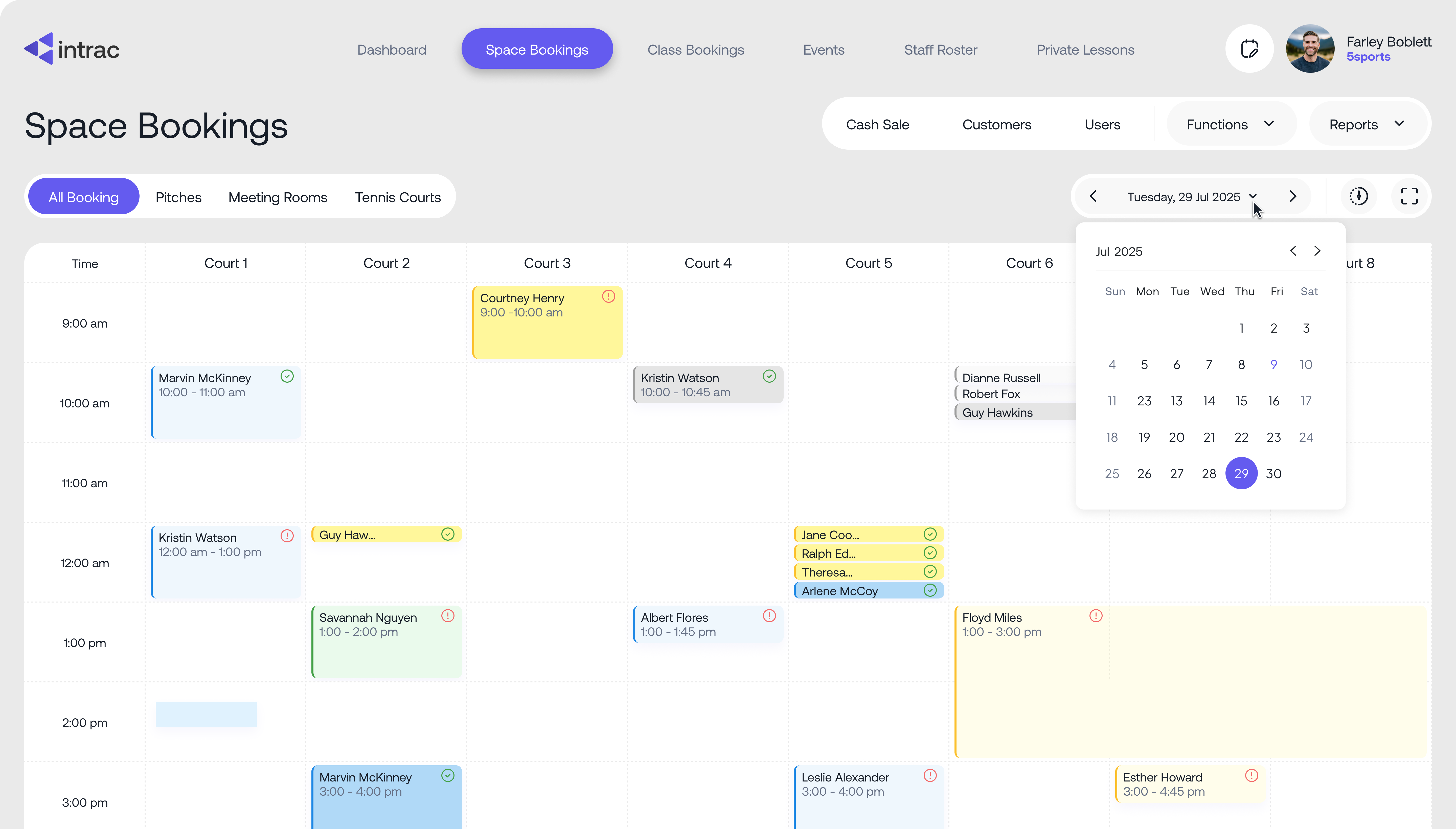
A daily check that isn't recorded anywhere is hard to rely on later. Intrac ties bookings, access records and incident history together so a pattern across days is actually visible.
Intrac keeps who booked a space, who accessed it and what was recorded against it together, so daily checks build into a reliable facility history.
See exactly who used a space and when, without reconciling separate systems.
Control who can get into a space based on what's actually booked.
Keep a documented history you can review monthly or pull up if a question arises.
Keeping staff accreditation current, not just checked once
Lifeguard, coaching and first aid accreditations are usually checked thoroughly at hiring and then forgotten until renewal time catches someone by surprise. Treat accreditation currency as an ongoing roster input, not a one-off HR task. A roster that shows whose qualifications are approaching expiry gives you time to plan cover, rather than discovering a gap on the day a shift needs covering.
This is especially important for facilities relying on casual or seasonal staff, where accreditation renewal is easy to lose track of between terms.
Building a routine you can actually prove
The goal of all of this isn't to generate paperwork for its own sake. It's to build a routine where, if something goes wrong, you can show exactly what was checked, by whom, and what was done about any issue found. That's both the right thing to do for the people using your facility and the strongest position to be in if a claim or dispute follows.
- Run a short, consistent opening check covering space, equipment and access every day.
- Roster supervision against the activity actually happening, not just headcount.
- Document incidents fully, including what changed afterward, and review the log monthly.
- Schedule maintenance against usage and wear, not just breakdowns.
- Track staff accreditation currency as an ongoing roster input, not a one-off check.
If your daily checks, bookings and incident records currently live in three different places, it's worth seeing them in one. Look at Intrac's features for bookings and space management, browse industries Intrac supports, or book a demo to see how your own facility's routine would look.