Child safety in a sports program comes down to two separate jobs done well: making sure the adults around children are properly screened, and making sure the handover of a child at drop-off and pickup is tightly controlled every single time. Intrac supports the second job directly with secure check-in and pickup codes, and this article walks through both so facility managers can see where the gaps usually sit.
This is written for managers and front-desk staff running kids' swim, tennis, gym or multi-sport programs who want a practical, operator-level view of Working with Children Check (WWCC) obligations and day-to-day check-in and pickup procedures, not a legal summary. WWCC law differs by state and territory, so always confirm current requirements with your own state or territory regulator rather than relying on this article for the legal detail.
- Why WWCC is a state-by-state system, not one national check
- Who actually needs a Working with Children Check?
- Verifying and tracking checks without losing track of expiry dates
- What should a check-in procedure actually control?
- Making pickup as secure as check-in
- What to do when a check lapses mid-term
- Building a documented child-safety policy
Why WWCC is a state-by-state system, not one national check
There is no single national Working with Children Check in Australia. Each state and territory runs its own legislation, application process and regulator, which means a check issued in one state is not automatically valid or recognised the same way in another. If your facility operates across state lines, or hires casual coaches who've recently moved states, this is the first thing to check, not an afterthought.
Because the rules differ by jurisdiction, the right move for any facility is to identify which state or territory regulator applies to each physical site you operate, and treat that regulator's current guidance as the source of truth, not a blog post, including this one.
- WWCC is legislated separately by each state and territory, not as one national scheme.
- A check from one state may not automatically transfer to another.
- Always confirm current rules with the regulator for the state your site operates in.
- Multi-site operators across states need a per-state process, not one blanket rule.
Who actually needs a Working with Children Check?
In most jurisdictions, anyone working or volunteering in child-related work involving direct contact with children needs a check. This typically includes coaches, instructors, team managers, and often extends to front-desk or admin staff who have regular direct contact with children, not just the person leading the session. Facilities sometimes assume the rule only applies to the coach on the pool deck or court, and miss that a staff member handling check-in and pickup at the front desk may also fall within scope.
Volunteers are frequently covered as well, which matters for clubs that rely on parent helpers for match days or carnivals. Don't let "unpaid" be read as "unregulated". Check your state's definition of child-related work before assuming a volunteer role is exempt.

Verifying and tracking checks without losing track of expiry dates
Sighting a WWCC card once at hiring is not the same as managing compliance. Checks have expiry or renewal periods set by each state, and the practical risk for most facilities isn't the initial check. It's noticing when an existing staff member's check has lapsed months into employment, often during a busy term when nobody is reviewing HR files.
A simple, disciplined approach beats a complicated one: record the check number and expiry date for every relevant staff member and volunteer in one place, and review that list on a fixed schedule rather than hoping someone remembers. This matters even more for casual and seasonal coaches who come and go between terms.
- Record the check number, issuing state and expiry date for every relevant role.
- Review the list on a fixed schedule, not an ad hoc basis.
- Treat casual and seasonal coaches the same as permanent staff for tracking purposes.
What should a check-in procedure actually control?
A good check-in procedure confirms three things every time: that the child is enrolled in that specific session, that the adult dropping them off is authorised to do so, and that staff have an accurate, timestamped record of who's on site. Paper sign-in sheets usually fail on the second point, anyone can sign a name next to a child's, and they fail on the third because nobody reconciles the sheet against who's actually been collected.
Super Kids Sports, a tennis centre and kids' programs operator in Manly running 50+ programs across three locations, uses secure 3-digit pickup codes at check-in so that collection is tied to a code, not just a name on a page. That single change turns check-in from a formality into an actual control.
Give every family their pickup code at enrolment, not on the first day of class. Families who already know the code before they arrive move through drop-off faster, and staff spend less time explaining the system during a busy changeover.
Making pickup as secure as check-in
Facilities put real effort into drop-off and then let pickup run on trust: whoever shows up and says the right name gets the child. A secure pickup code closes that gap. Staff only release a child to whoever presents the matching code, regardless of whether that person is a parent, grandparent or authorised carer the staff member has never met before.
This also protects staff, not just families. A clear, consistent rule, no code, no pickup, no exceptions, removes the awkward judgement call from a casual staff member's shoulders and replaces it with a simple, defensible process.

A pickup code is a small piece of process that removes a judgement call from a busy front-desk moment. Intrac builds that control into check-in itself, rather than leaving it to a sign-in sheet.
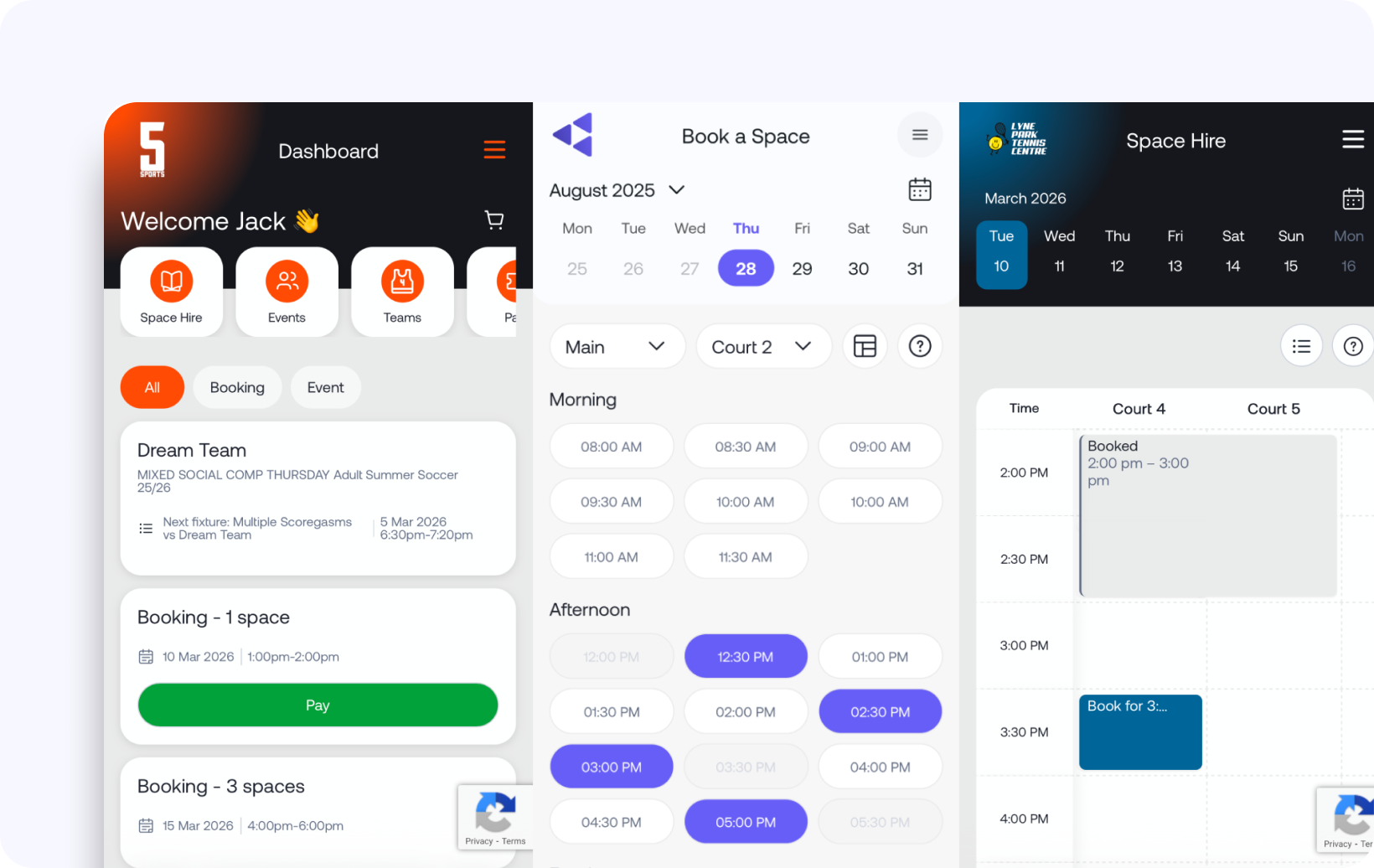
Intrac generates a secure pickup code for every booking, so front-desk and casual staff have one consistent rule for every handover, every session.
Each enrolled child's pickup code is linked directly to their session, not a shared list.
New or casual staff follow the same simple rule without needing to recognise every family.
Check-in and pickup activity is recorded, giving you a trail if a question ever comes up.
What to do when a check lapses mid-term
A WWCC lapsing mid-term with active enrolments is one of the more stressful moments a facility manager faces, mostly because it tends to be discovered late. The right response is the same regardless of timing: stand the staff member down from any child-related duties immediately until a valid check is confirmed, communicate internally with discretion, and have a plan for covering their classes without scrambling on the day.
This is far less disruptive if your roster already shows who else is qualified and available to cover a class, which is as much a rostering question as a compliance one.
Building a documented child-safety policy
A documented child-safety policy that goes beyond the legal minimum gives staff a clear, written answer to "what do I do if" before the situation happens, rather than inventing a response under pressure. At minimum, it should cover screening and check verification, check-in and pickup rules, what happens when a check lapses, and who to contact for an incident.
- Confirm current WWCC requirements with the regulator for every state or territory you operate in.
- Track check numbers and expiry dates in one place, reviewed on a fixed schedule.
- Use a pickup code or equivalent control, not a name on a sign-in sheet.
- Document what happens when a check lapses mid-term, before it happens.
None of this replaces advice from your state regulator on current WWCC requirements. If you'd like to see how secure check-in and pickup codes work in practice, look at Intrac's features, read the Super Kids Sports story, browse customer stories across other sports, or book a demo to see check-in on your own program.